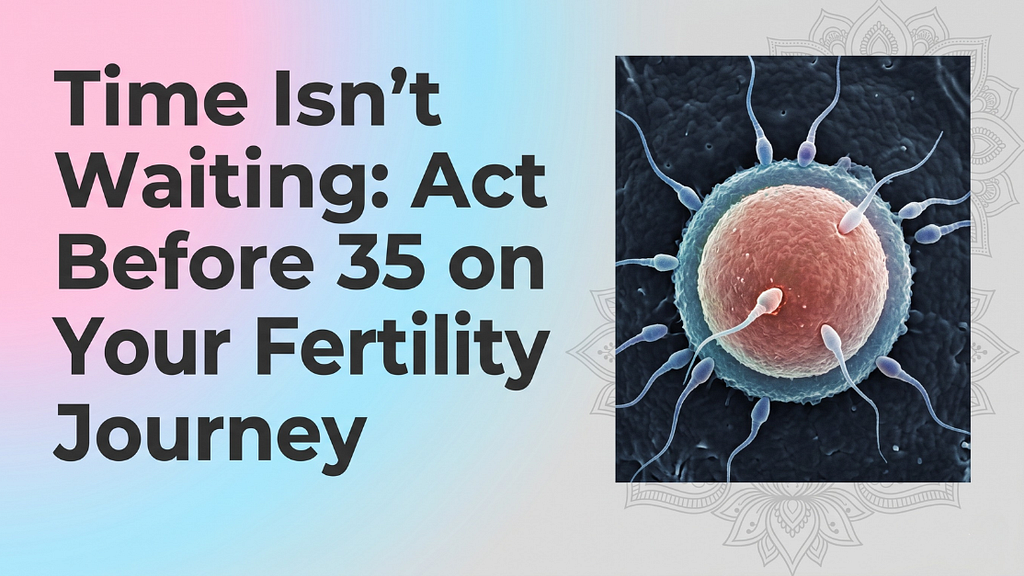
Everyone tells you to wait for the “right time” for a baby. In our society, there is a deep-rooted belief that conception should happen organically, perfectly aligned with the stars. But what if waiting for that idealised “natural” moment is actually the biggest risk for couples navigating their late 30s? The soil of human fertility, much like the rich agricultural soil of our region, requires careful preparation, keen awareness of the seasons, and timely planting to yield the best results. Waiting too long for the rain when the season is passing can jeopardise the harvest. For those in their late 30s, the biological clock is a profound physiological reality. Today, we must honestly discuss why the traditional path might not be the safest route to parenthood in Eastern India.
The Cultural Expectation vs. The Biological Reality
In Eastern India, cultural narratives often deeply romanticise natural conception, inadvertently stigmatising medical intervention. Couples are frequently advised by well-meaning relatives to simply “relax” or “give it more time.” While stress reduction is beneficial, this advice ignores the harsh biological realities of ageing. The narrative that medical intervention is a “last resort” rather than a proactive choice leads couples to delay seeking essential help. The psychological burden of trying naturally for years takes an immense toll on a couple’s emotional well-being. It is crucial to separate cultural myths from medical facts. Conception is a complex biological process, and seeking scientific assistance is not a failure of nature; rather, it is utilising the incredible advancements in modern medicine to achieve a deeply human dream.
Understanding the True Risks of Delayed Pregnancy
When we discuss the risks of delayed conception, we must look squarely at the scientific data. According to the American Society for Reproductive Medicine, a woman’s reproductive potential declines gradually but significantly as she ages. By the time she reaches 35, her chances of conception have decreased by 20% to 30% compared to her 20s. This involves not just the dwindling quantity of the ovarian reserve, but the fundamental decline in the quality of those eggs.
In Eastern India, fragmented access to specialised care outside of major medical hubs can make this decline feel even more pronounced. When couples wait until their late 30s to consult a specialist, they work against a ticking clock. The risks multiply: decreased natural fertility rates, alongside a significantly higher risk of early pregnancy loss and chromosomal abnormalities. Acknowledging these realities isn’t about inducing fear; it is about empowering couples with the absolute best knowledge to make timely, health-focused decisions about their reproductive future.
Debunking the Myth: Why ‘Natural’ Isn’t Always the Safest Route
The prevailing myth that natural conception is universally superior to fertility treatment is just that a myth. While natural conception is a beautiful reality for many, elevating it as the only acceptable standard does a massive disservice to thousands of hopeful parents. For a couple in their late 30s, insisting on natural conception despite underlying, undiagnosed fertility issues can lead to heartbreaking, repeated miscarriages.
Fertility treatments actually offer a distinctly safer, more controlled, and highly monitored environment for conception. Advanced reproductive technologies allow embryologists to screen for genetic anomalies before implantation, drastically reducing the risk of chromosomal birth defects and minimising the chances of miscarriage. In many high-risk scenarios, medical intervention doesn’t just help create a life; it actively protects the health of both the mother and the future child in ways that leaving it entirely to nature simply cannot guarantee.
Taking Control: Fertility Treatment as a Viable Option
While stepping into a clinic can feel daunting, fertility treatments, such as In Vitro Fertilisation (IVF), represent a highly successful option for couples in their late 30s. Studies consistently show that IVF can be incredibly effective for women over 35. Advancements in medical protocols and personalised laboratory medicine mean that age is no longer an insurmountable barrier to building a family.
The true key to success is twofold: seeking treatment early and partnering with the right medical team. Finding a fertility clinic equipped with state-of-the-art technology and experienced in treating women across all age spectrums is critical. In Eastern India, specialised centres are bringing global standards of care closer to home. Choosing IVF is an empowering step. It shifts the dynamic from waiting anxiously for nature to take its course to actively taking charge of your family-building journey with modern medical science.
Frequently Asked Questions
What are the specific risks of a delayed pregnancy?
The primary risks of delaying pregnancy until the late 30s include a natural decline in fertility (making it much harder to get pregnant), a significantly increased risk of miscarriage due to declining egg quality, and a higher probability of chromosomal abnormalities and birth defects. There is also an elevated risk of pregnancy-related maternal complications.
Is IVF actually effective for women over 35?
Absolutely. IVF is one of the most effective treatments for age-related infertility. While success rates vary by individual health factors, modern IVF protocols make it highly successful for women in their late 30s, often levelling the playing field compared to natural conception odds for this specific age bracket.
What are the core benefits of opting for fertility treatment?
Beyond achieving pregnancy, fertility treatments offer a safer, highly monitored environment. They allow for the diagnosis of hidden reproductive issues, reduce the risk of passing on genetic conditions, lower miscarriage rates through vital embryo screening, and give couples a higher degree of control over their family planning.
What do you think is the biggest misconception about fertility treatment in Eastern India? Share your thoughts with us.
WhatsApp us at: +91 97772 68743