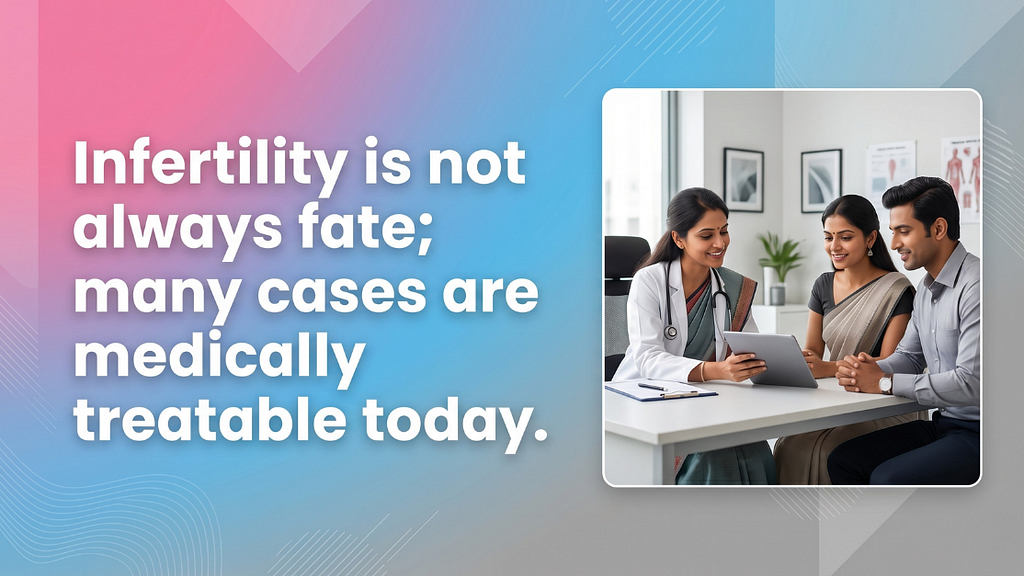
For years, many couples were told infertility was simply “God’s will.” Today, medical data tells a different story; many cases once considered unexplained are actually treatable. In many rural communities across India, the inability to conceive is often viewed through a lens of destiny or divine intervention.
This perspective, while deeply rooted in faith and tradition, can sometimes unintentionally delay couples from seeking the modern medical answers that are readily available to them today. The first step toward building a family is often unlearning the misconceptions that hold us back. When we begin to view fertility challenges not as a permanent fate but as a medical condition, the clear path forward begins to reveal itself.
Why Infertility in Rural India Is More Common Than Many People Realise
When we discuss reproductive health, there is a common misconception that infertility is primarily an urban issue tied to high-stress, modern lifestyles. However, the data reveal a starkly different reality. Approximately 27.5 million couples in India struggle with infertility, many of them living in rural communities where awareness and access to treatment are still limited.
The challenges in these areas are compounded by a lack of access to early diagnostic care. In rural settings, couples often face structural barriers, including the physical distance to specialised clinics, limited financial resources, and a severe shortage of localised awareness programs.
Conditions that could be managed easily if caught early, such as nutritional deficiencies, undiagnosed reproductive tract infections, or hormonal imbalances, are frequently left to worsen over time. This lack of timely intervention turns highly treatable medical hurdles into prolonged struggles, further solidifying the belief that the situation is simply out of their hands.
Understanding the Causes of Infertility Beyond Belief
To truly support couples, we must respectfully shift the conversation from fatalism to biology. Culturally, the burden of childlessness in rural India is disproportionately placed on women.
Yet, research shows that infertility is not only a woman’s responsibility; male factors also contribute to nearly 40% of cases, which is why both partners should be evaluated.
When we look at female factors, which account for about 30% of cases, we often find common, manageable conditions. Polycystic Ovary Syndrome (PCOS), endometriosis, and pelvic inflammatory disease (PID) are prevalent yet frequently go undiagnosed in rural healthcare settings.
Another 30% of cases involve combined or unexplained factors. However, “unexplained” does not mean “untreatable.” It simply means that standard tests haven’t pinpointed the exact issue, and more advanced reproductive care or targeted lifestyle modifications are needed. Seeking medical help does not weaken faith; it strengthens the chance of finding answers.
The Role of Lifestyle and Nutrition in Fertility
Beyond specialised medical interventions, everyday lifestyle choices play a significant role in reproductive health, particularly in rural settings where physical labour is high but nutritional balance might be lacking.
Deficiencies in essential vitamins, chronic physical stress, and exposure to environmental toxins or agricultural chemicals can all silently impact fertility over time. Simple, guided changes to diet and daily routines can sometimes make a profound difference.
By working with healthcare providers to understand these environmental factors, couples can proactively improve their reproductive health from the comfort of their homes, complementing any medical treatments they may be receiving.
Breaking the Stigma Through Shared Responsibility
The emotional toll of infertility is heavy, and it is often carried in silence. In close-knit rural communities, societal pressure can be overwhelming, leading to isolation and distress. By educating families that fertility is a shared medical journey, we can lift this heavy emotional burden.
Many infertility cases are not permanent problems; they are treatable conditions waiting to be identified. When couples understand that conception requires a complex, delicate biological balance from both partners, the shame associated with infertility begins to dissipate.
It is a biological reality, not a personal failing. Education is the most powerful tool we have to transform this narrative. By replacing judgment with medical understanding, communities can foster an environment where couples feel respected and supported in seeking the help they need.
The Shift Towards Accessible Fertility Care
In many rural areas, couples often delay treatment because of distance, cost, or uncertainty. The logistical hurdles can make the journey to parenthood feel impossible before it even begins.
At Santaan Fertility, we are working to change this by offering accessible consultations, clear guidance, and support closer to home.
Modern advancements are bridging the geographical divide. Through the integration of AI-driven solutions and telemedicine, high-science and high-compassion care is no longer restricted to metropolitan cities. Couples can now access initial consultations online, receive accurate preliminary guidance, and explore affordable treatment packages without the immediate need for extensive travel.
What Couples Can Do Next
Taking the first step can feel daunting, but breaking the process down into actionable steps helps couples regain control over their reproductive health.
• Seek medical advice if pregnancy has not occurred after one year: If you are under 35 and have been actively trying to conceive for 12 months, consulting a doctor is the recommended next step.
• Encourage both partners to get evaluated: Simultaneous evaluation saves time, removes the burden from a single individual, and reduces emotional strain.
• Address treatable conditions early: Early diagnosis of common conditions like PCOS or low sperm count vastly improves the chances of successful treatment.
• Choose a trusted fertility specialist: Look for clinics that prioritise transparent communication and ethical, affordable care.
Frequently Asked Questions
To further demystify the process, here are answers to some of the most common questions asked by couples in rural India:
• What is the most common cause of infertility in rural India?
The most common causes are often related to untreated or poorly managed medical conditions. These include pelvic inflammatory disease, endometriosis, and hormonal imbalances like polycystic ovary syndrome (PCOS).
• Can infertility be treated effectively in rural areas?
Yes. Many cases can be resolved through lifestyle modifications, straightforward medical treatments, and guided reproductive technologies like IVF. The key is timely intervention.
• How can I access this kind of treatment?
Facilities like Santaan Fertility offer accessible options tailored for remote populations, including online consultations, localised partnerships with rural healthcare providers, and transparent, affordable pricing packages.
Looking Forward with Hope
Infertility can feel overwhelming, but help is available, and answers often come sooner than expected when couples seek the right guidance.
You do not have to navigate this journey alone.
Begin Your Personalised Review with Santaan.
WhatsApp us at: +91 97772 68743